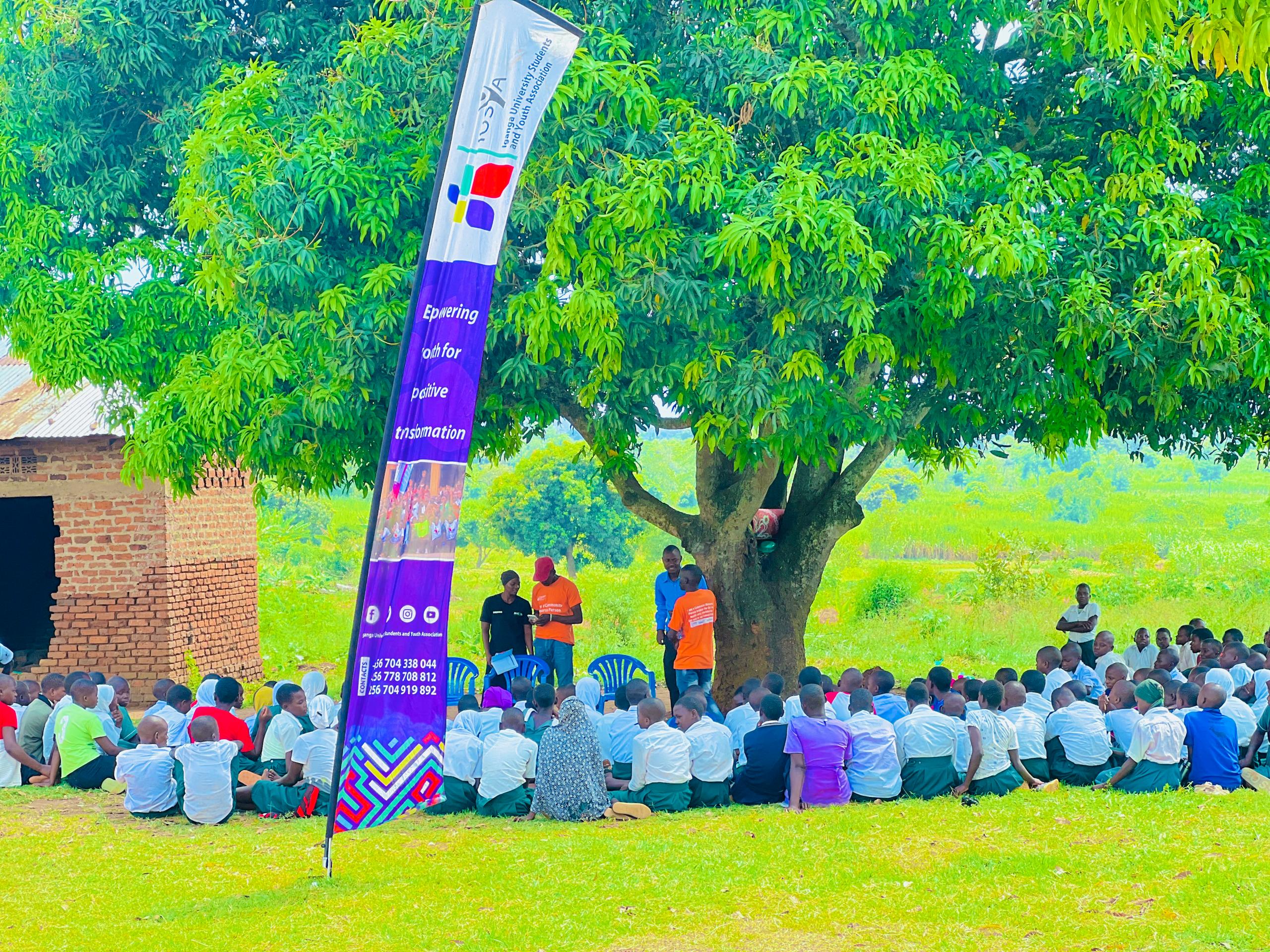
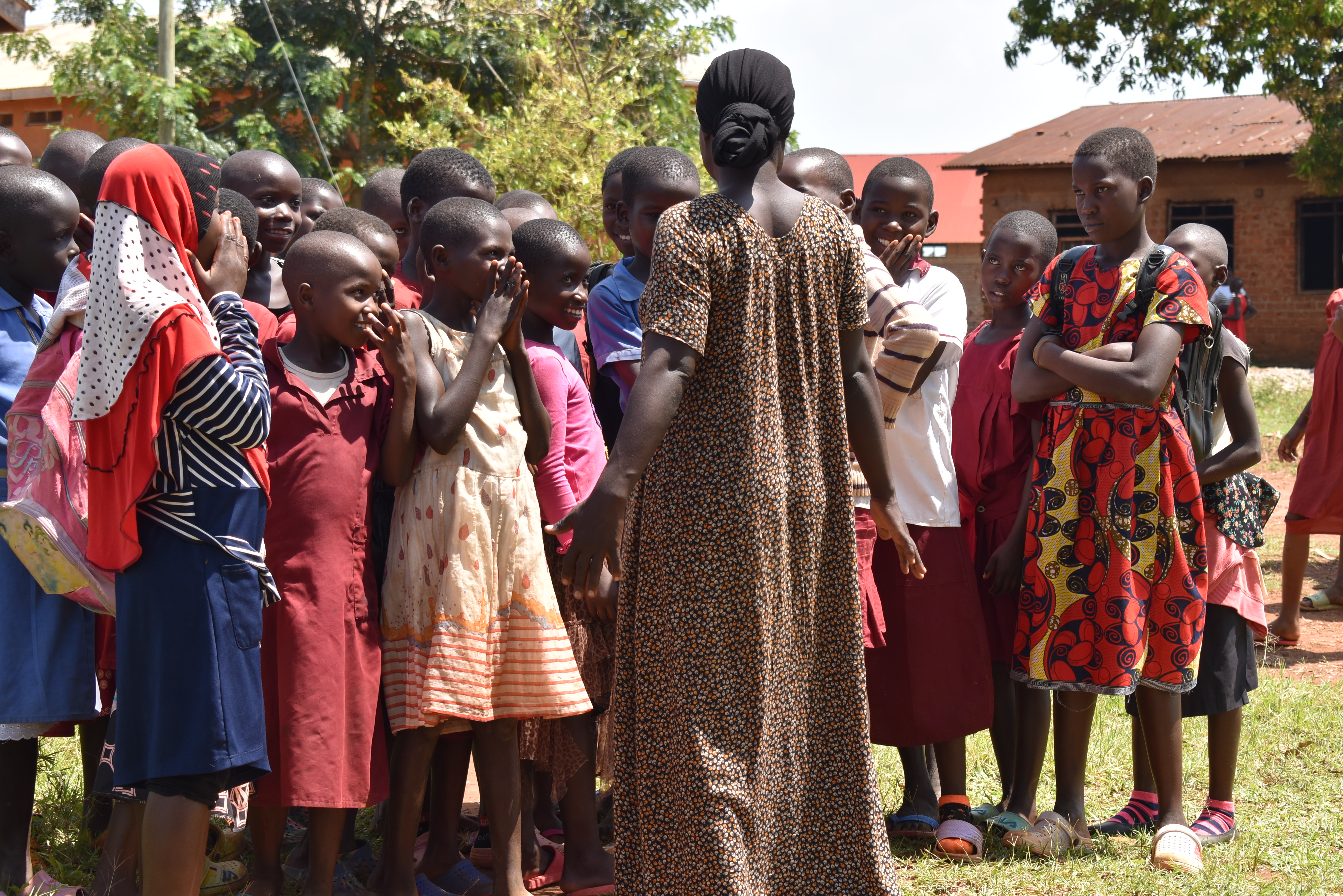
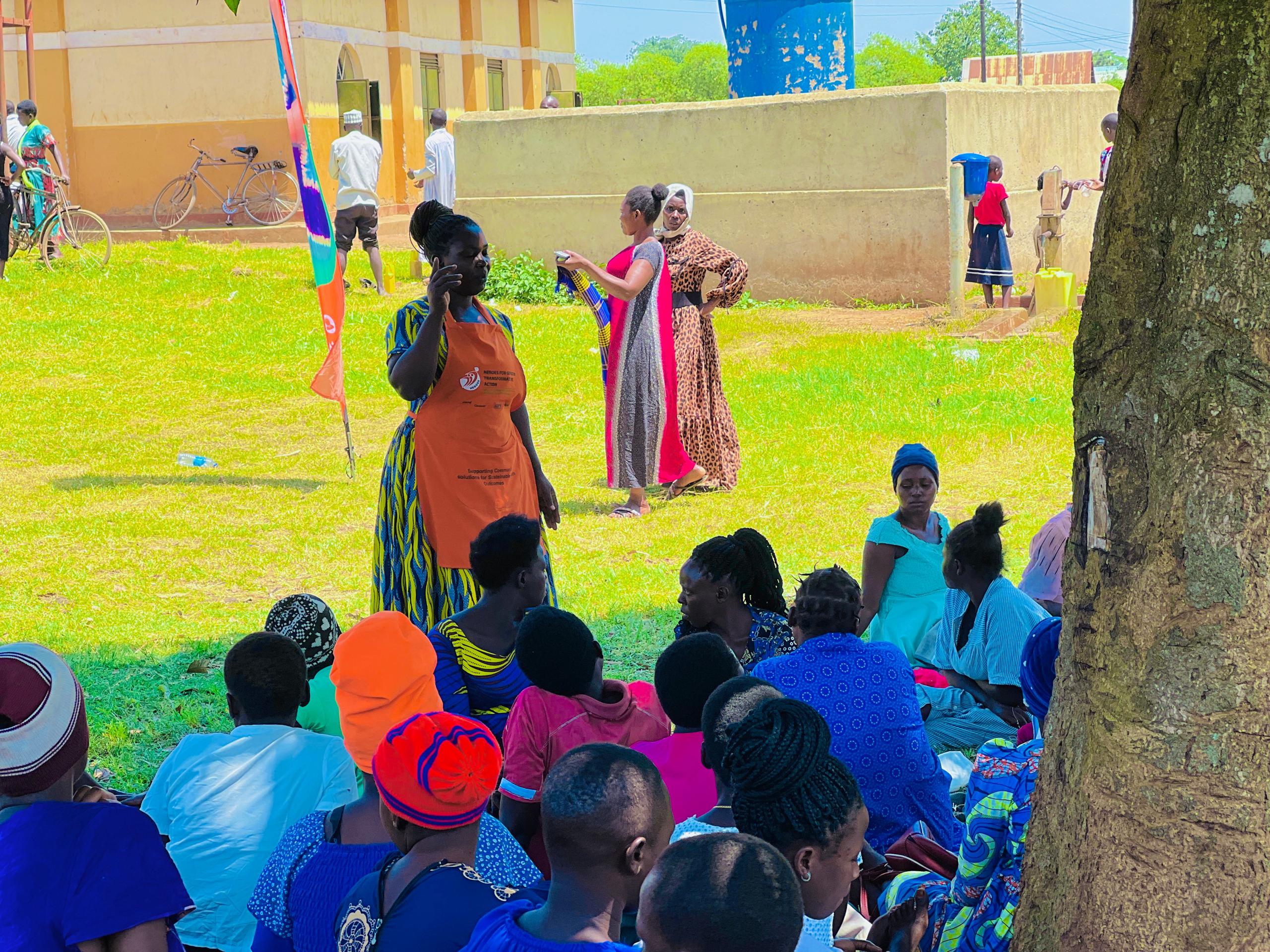
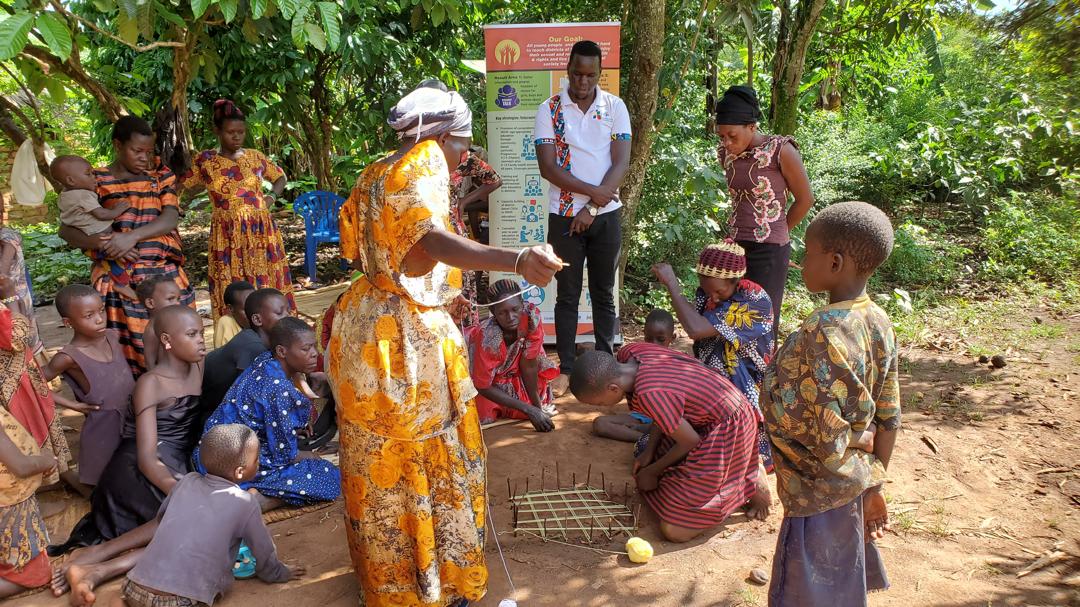
The program aims to empower youth with knowledge and skills to prevent and escape SGBV, promote respect for SRHR, and strengthen district health systems to respond effectively to SGBV. It is implemented through collaboration between the Government of Uganda, civil society organizations like IUSYA, and community stakeholders. The national consortium leading the program includes Amref Health Africa, Cordaid, and MIFUMI.
PROJECT OBJECTIVES
- Empower young people and women to make healthy choices regarding their SRHR
Increase uptake and quality of SRHR-SGBV services among hard-to-reach groups
Increase awareness and activism by influential community members (referred to as “gatekeepers”) to reject social norms and practices that perpetuate gender inequality and SGBV
Improve the quality of SGBV response systems to effectively address SRHR violations and enhance access to justice
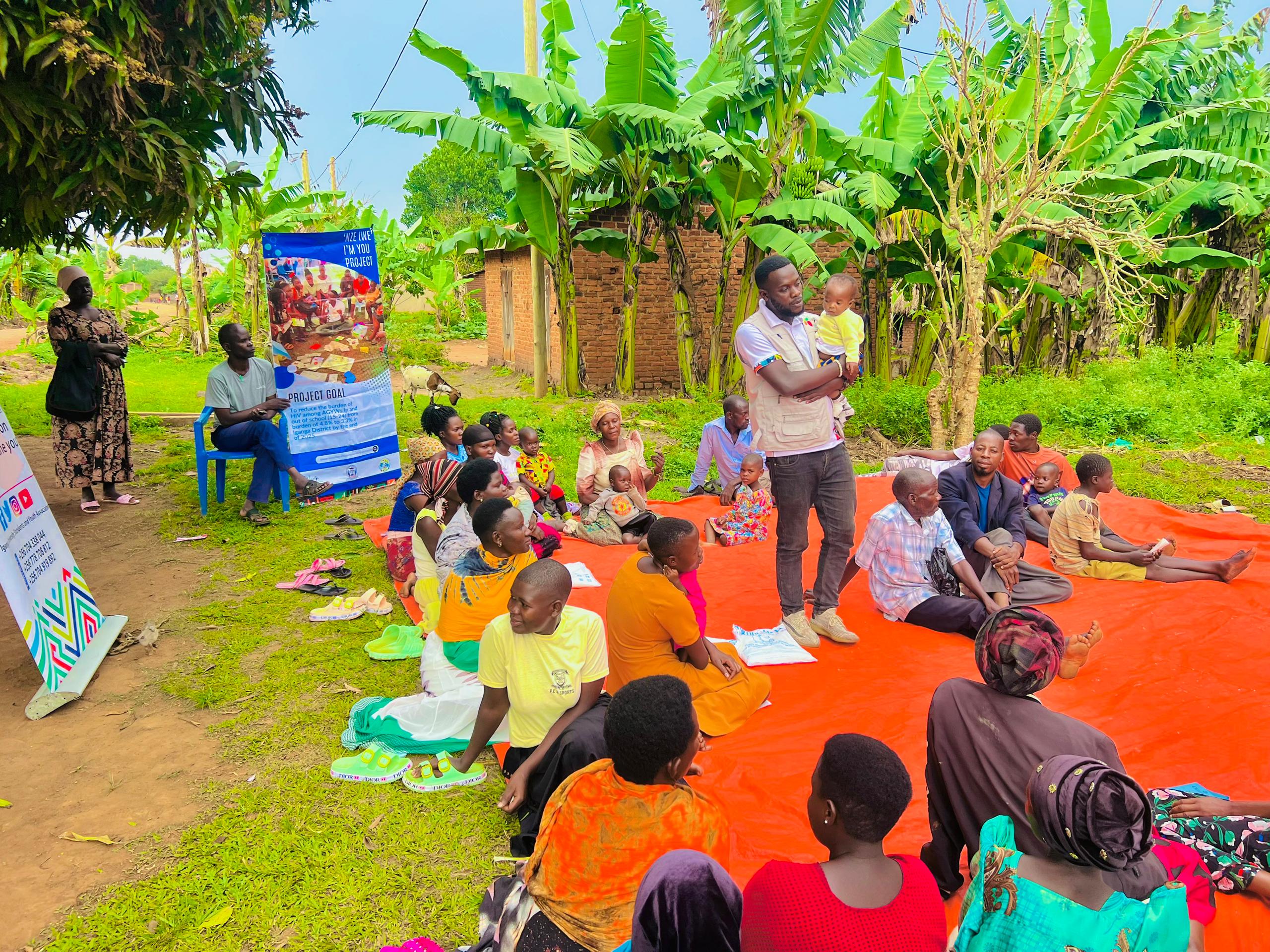
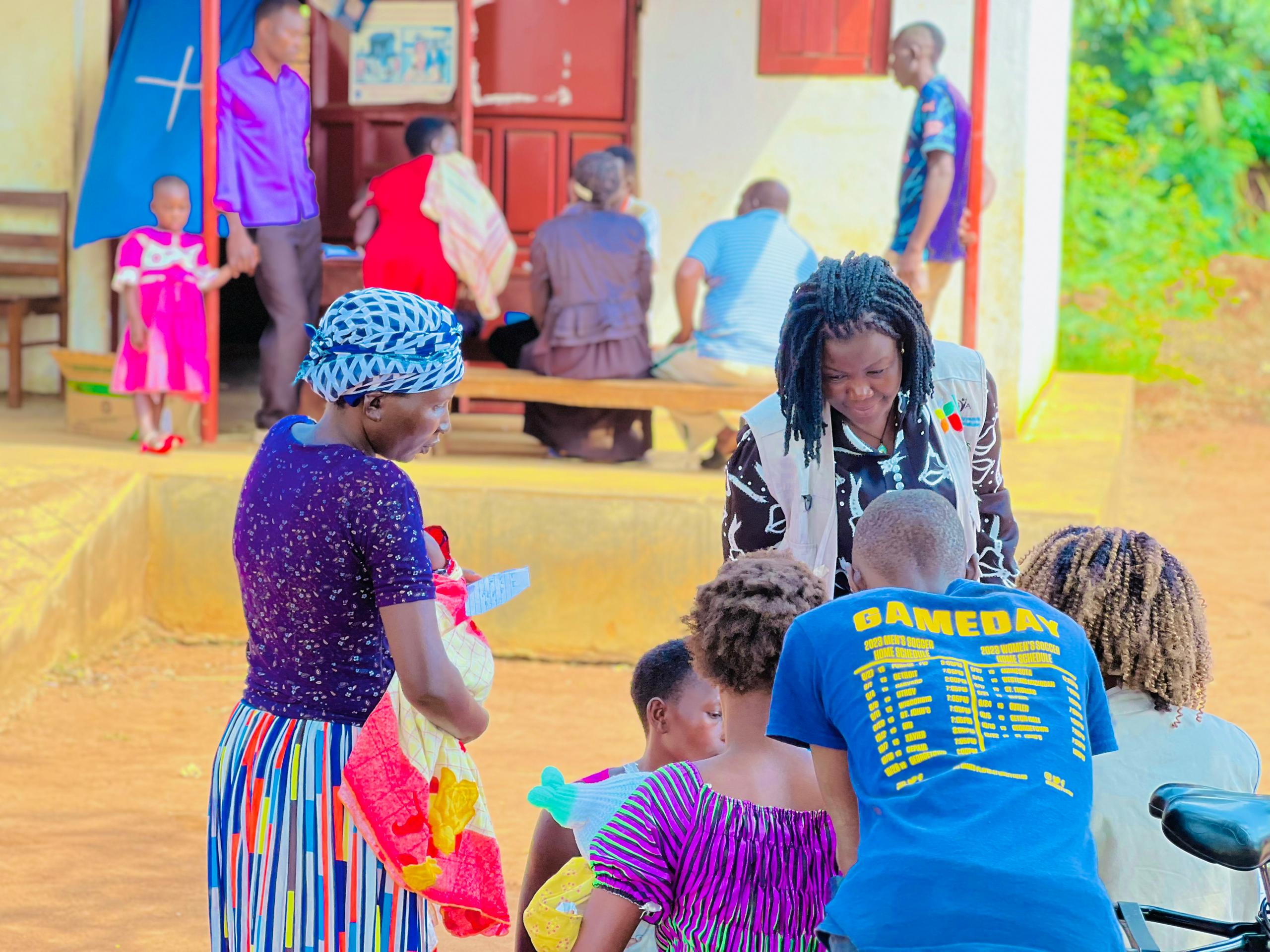
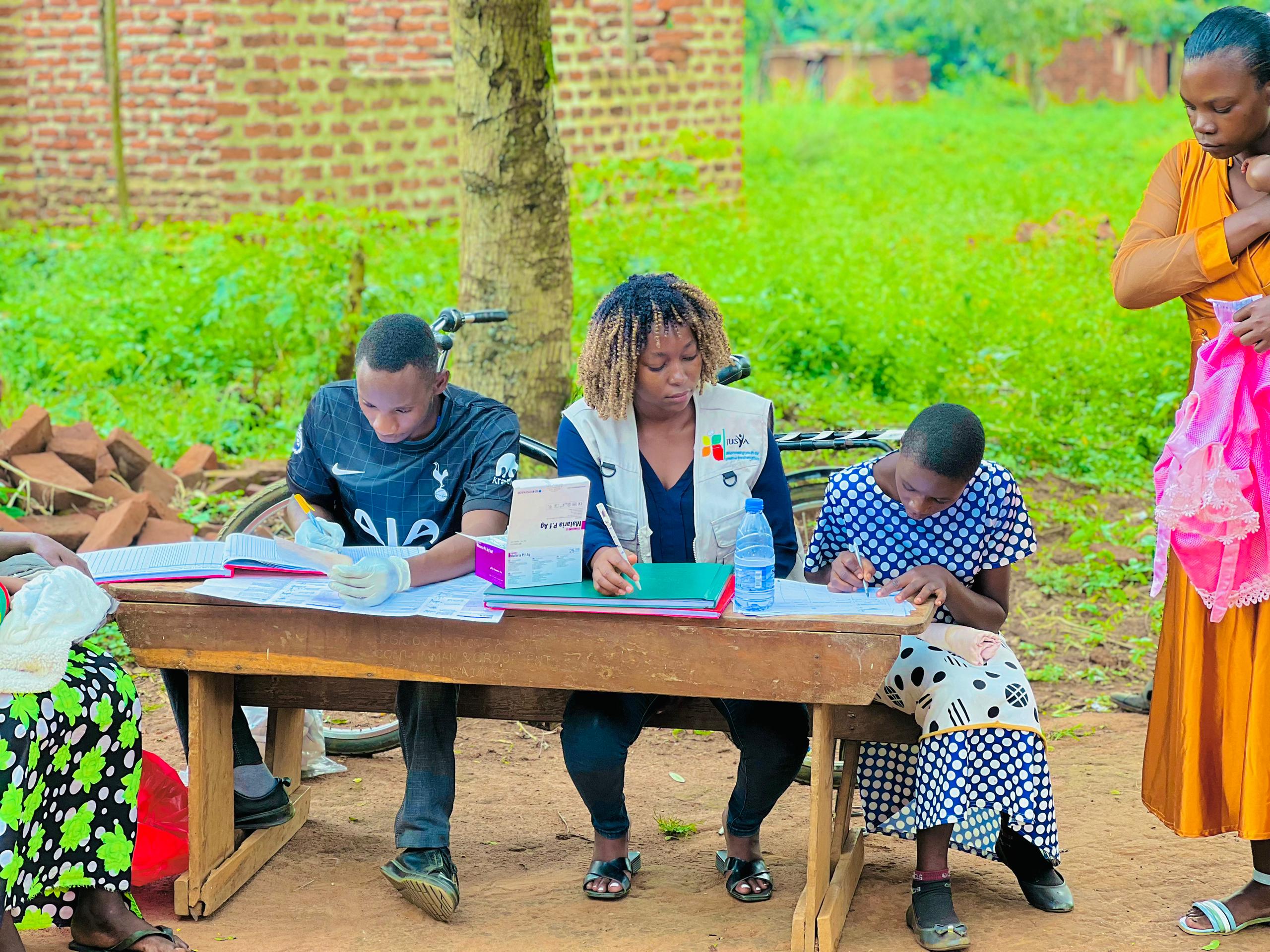
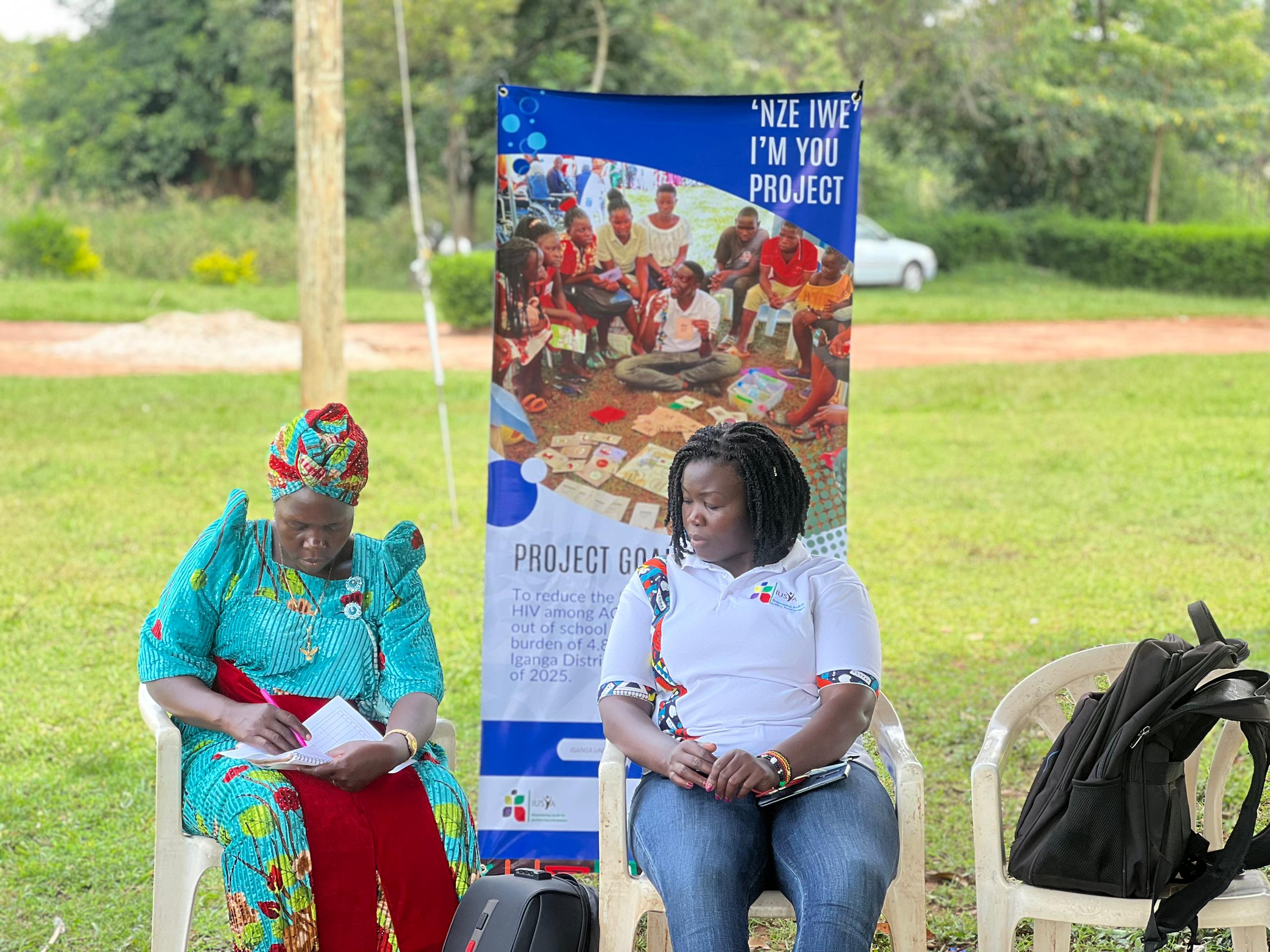
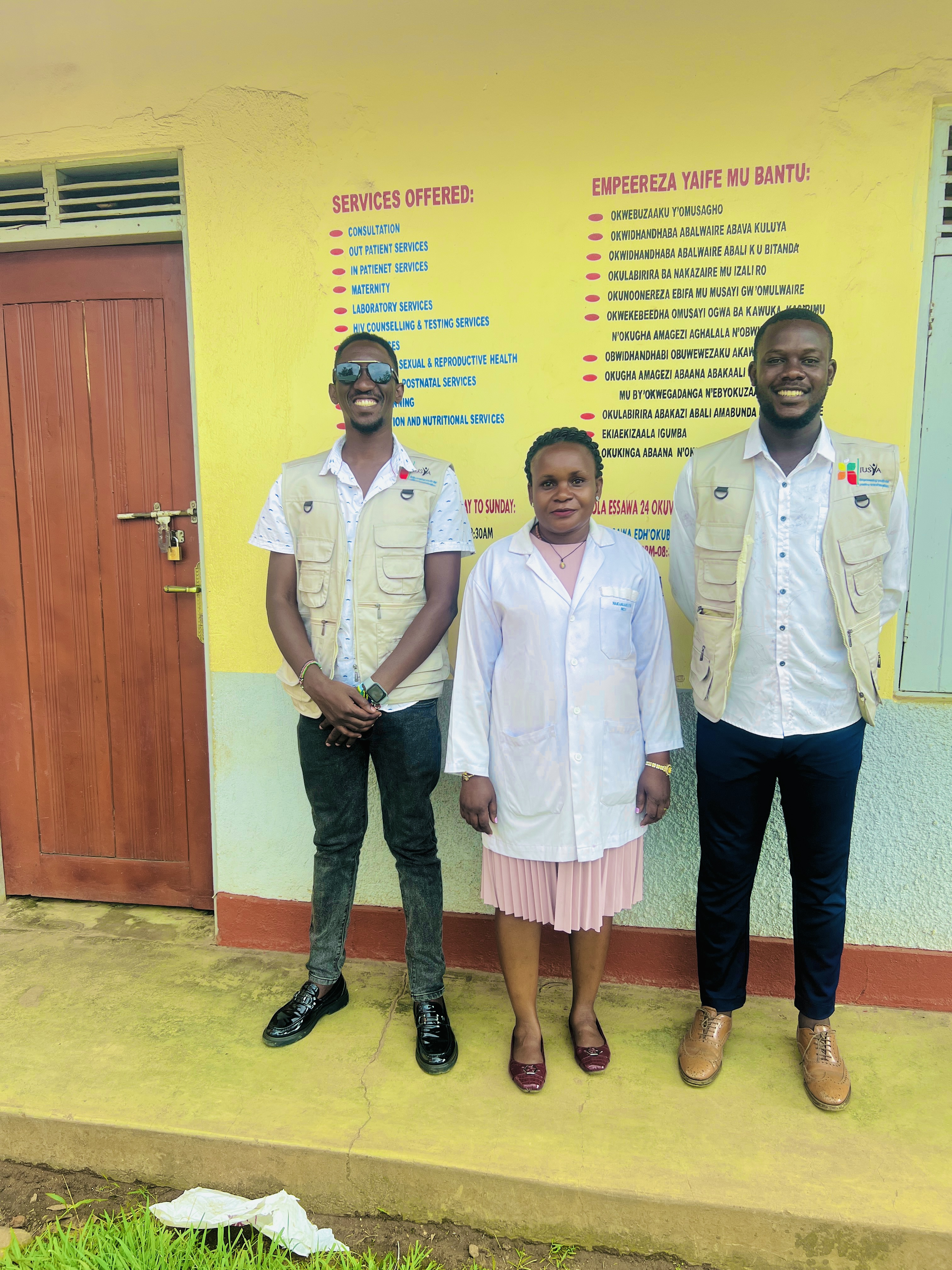
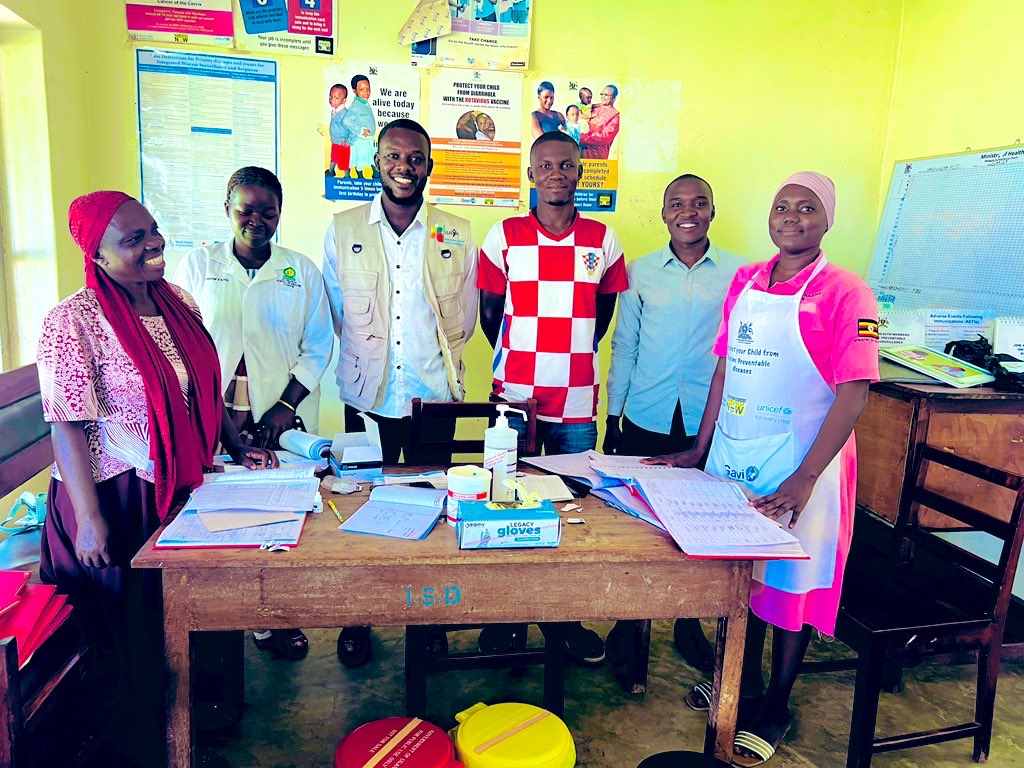
This project is implemented by IUSYA to reduce the HIV burden among Adolescent Girls and Young Women (AGYWs) aged 15–24 in and out of school in Iganga District, aiming to lower prevalence from 4.8% to 3.3% by 2026. It operates under the Global Fund-supported HIV, TB, and Malaria program in partnership with The AIDS Support Organization (TASO) and Uganda Development and Health Associates (UDHA).The project works with district and sub-county structures and community health facilities to conduct community mobilization and sensitization, facilitate intergenerational dialogues, link young people to youth-friendly health services, and organize integrated community outreaches to increase health knowledge, service uptake, and reduce HIV infections in communities.
PROJECT OBJECTIVES
To raise awareness on HIV & TB prevention from 65% to 80% among the adolescents and young people (15-24) through activated community drives in Nawanyingi Sub County in Iganga district by end of 2026.
To increase access to and utilization of HIV and TB among AGYWs in and out of school (15-24) through
community led approaches in Nawanyingi Sub County in Iganga district by end of 2026.
.jpeg)
.jpeg)
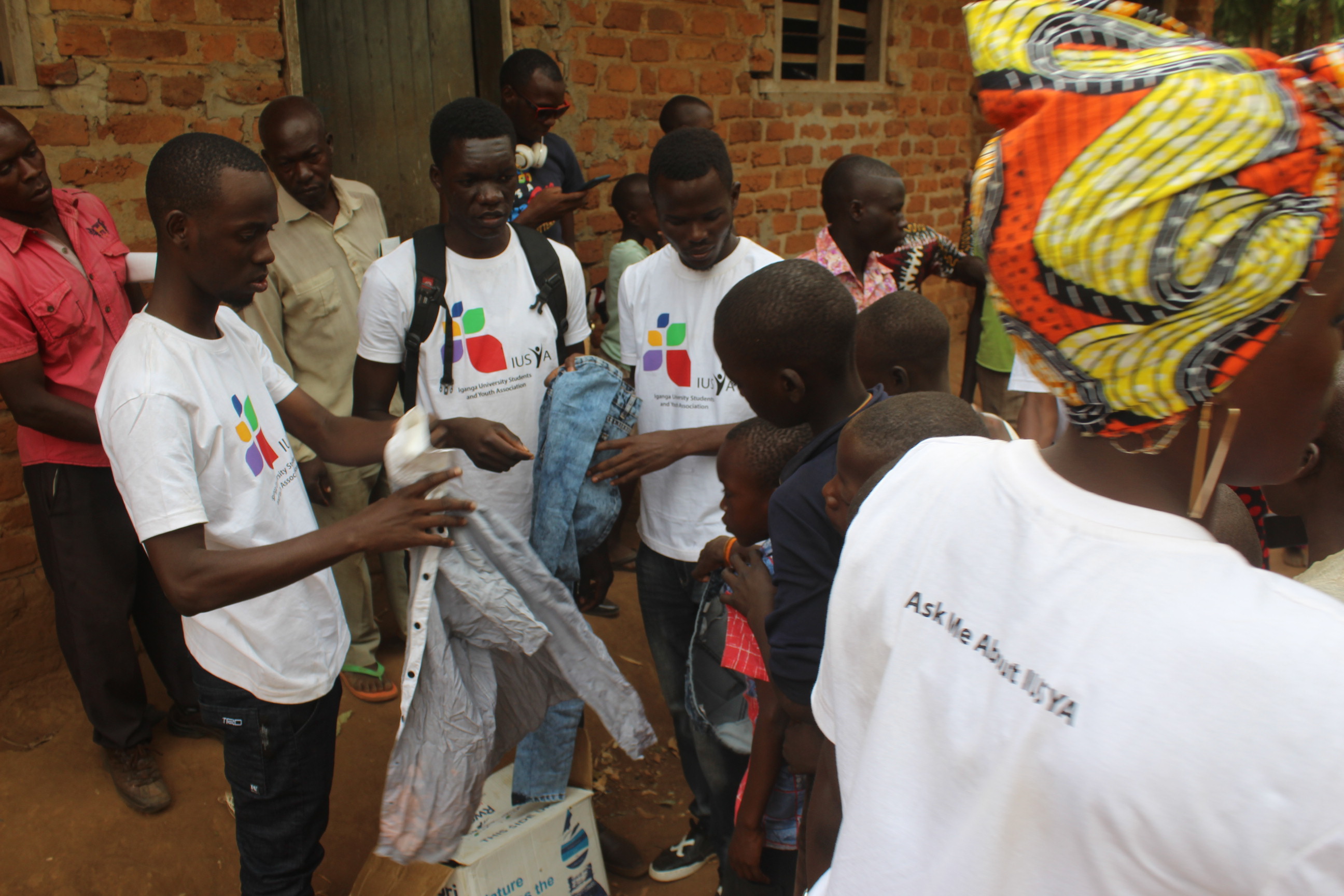
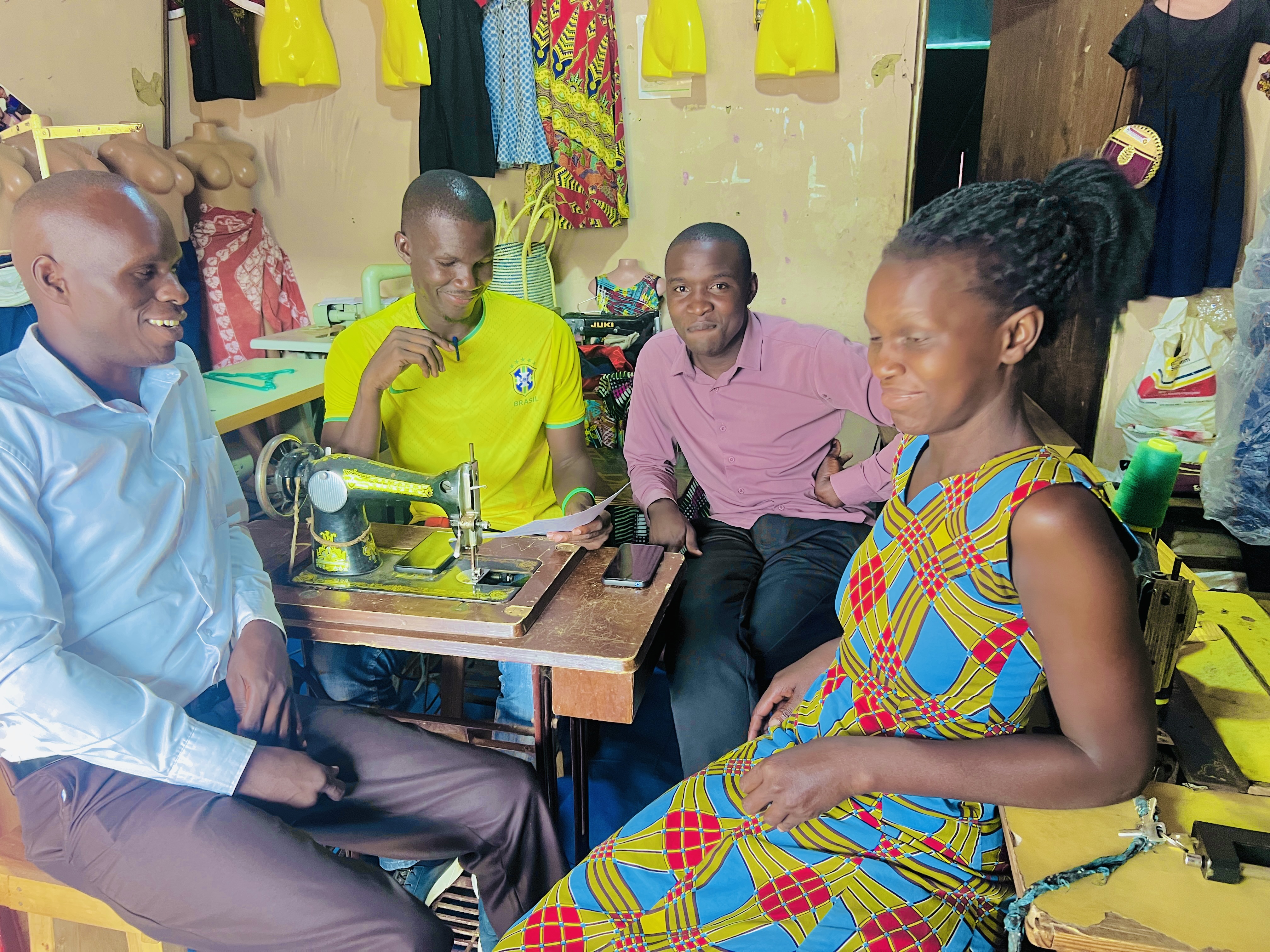
The project is a community-focused initiative aimed at supporting the most vulnerable members of society by improving access to education, healthcare, and sustainable livelihoods. It provides educational scholarships for total orphans, distributes clothing and basic necessities to vulnerable families, and brings essential health services closer to communities. The project also promotes livelihood and vocational skills training to empower individuals to become self-reliant. Overall, it seeks to restore hope, dignity, and opportunities for people to improve their quality of life.
PROJECT OBJECTIVES
To support access to education for total orphans through the provision of educational scholarships and related scholastic support.
To improve the well-being of vulnerable individuals and families by providing clothing and other basic necessities.
To restore hope and dignity among vulnerable populations by addressing their immediate and long-term social and economic needs.
To promote economic empowerment and self-reliance by equipping community members with livelihood and vocational skills.
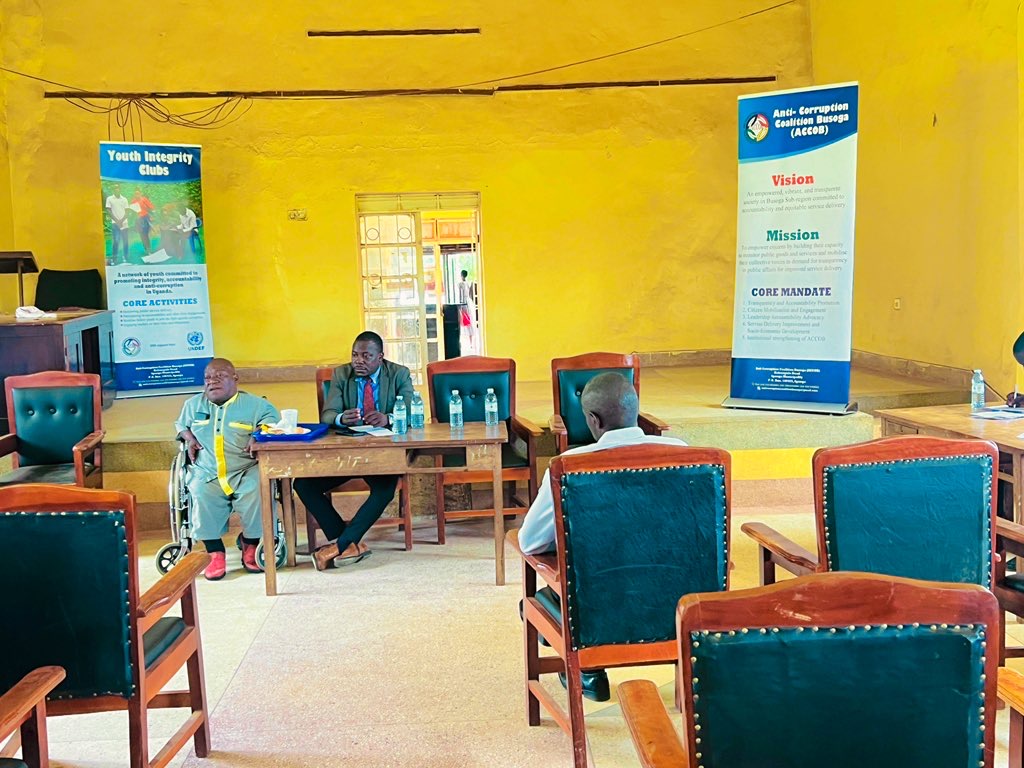
This project, implemented by the Anti-Corruption Coalition Uganda (ACCU) with support from the United Nations Democracy Fund, aims to reduce corruption in Uganda by strengthening youth and civil society engagement with government on transparency and accountability by 2025. It is implemented in the Busoga sub-region, West Nile, and Kampala Metropolitan, including districts such as Iganga, Bugweri, Namutumba, Kampala, Wakiso, Mukono, Arua, Terego, and Maracha.
The project focuses on combating corruption in key service delivery sectors like health, education, and livelihoods, which directly affect citizens. It also supports government accountability institutions and strengthens the capacity of IUSYA as a Youth Integrity Club to lead and coordinate grassroots accountability initiatives in the Busoga sub-region with support from Anti-Corruption Coalition Busoga (ACCOB).
PROJECT OBJECTIVES
To strengthen the capacity of youth in Busoga sub-regions, West Nile, and Kampala Metropolitan to monitor public service delivery and engage government on transparency and accountability issues.
To increase youth access to public information and safe reporting mechanisms that enable them to monitor, report, and address corruption in sectors such as health, education, and livelihoods.
To establish and strengthen Youth Integrity Clubs (YICs) in schools and communities to promote youth participation in monitoring service delivery and reporting corruption.
To build the capacity of grassroots youth, women, and accountability-focused civil society organizations to coordinate and spearhead anti-corruption and accountability initiatives.
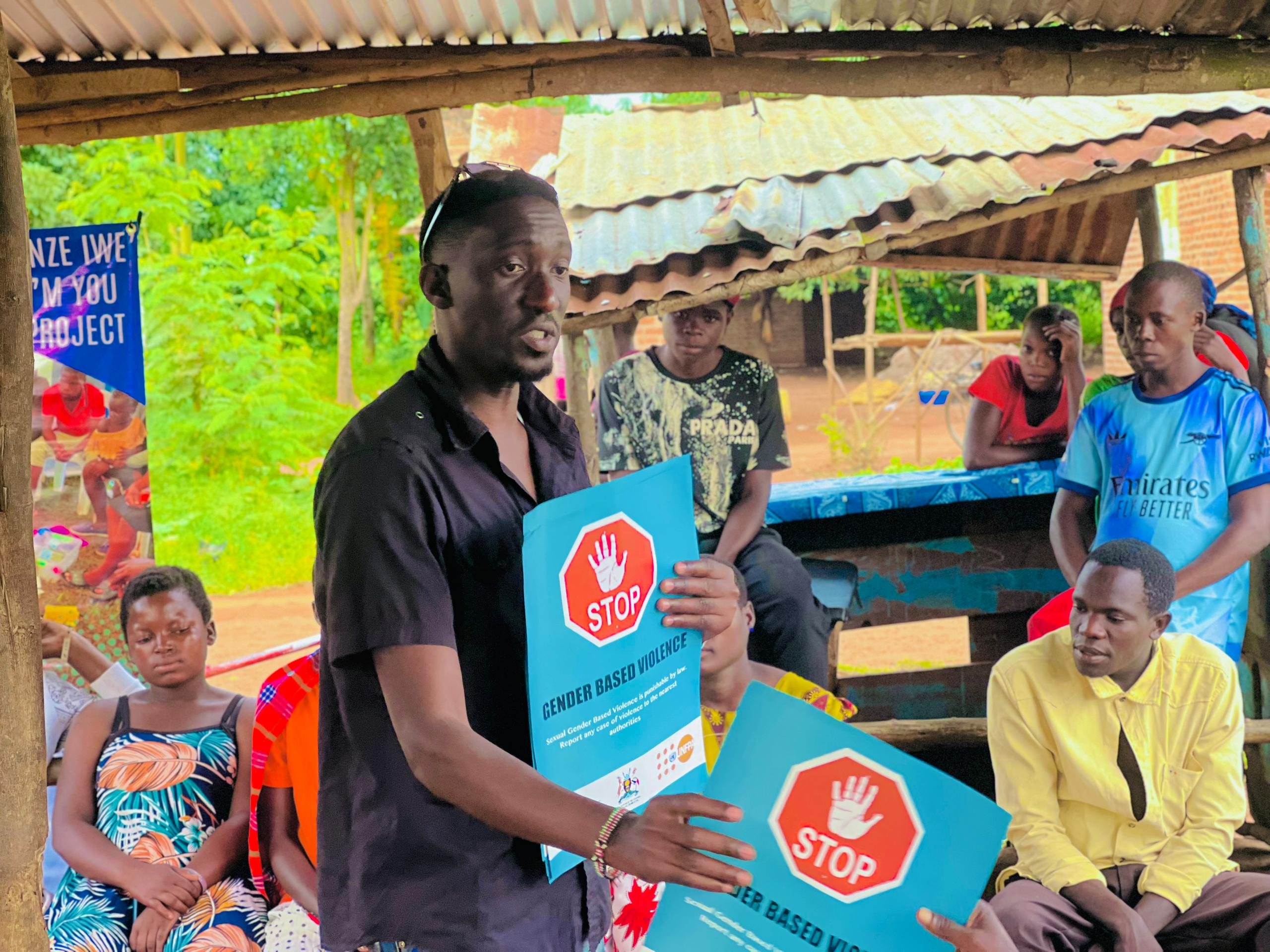
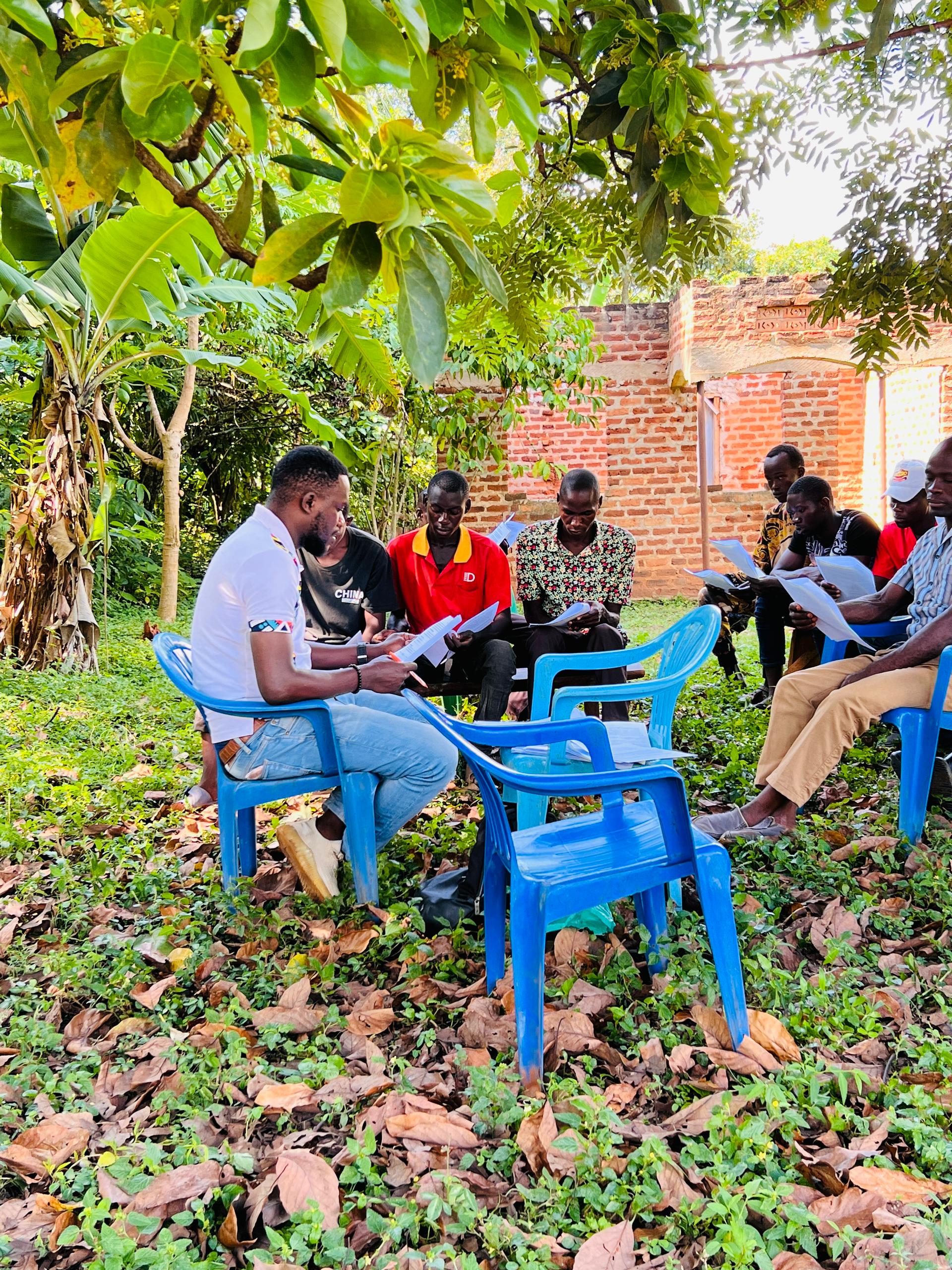
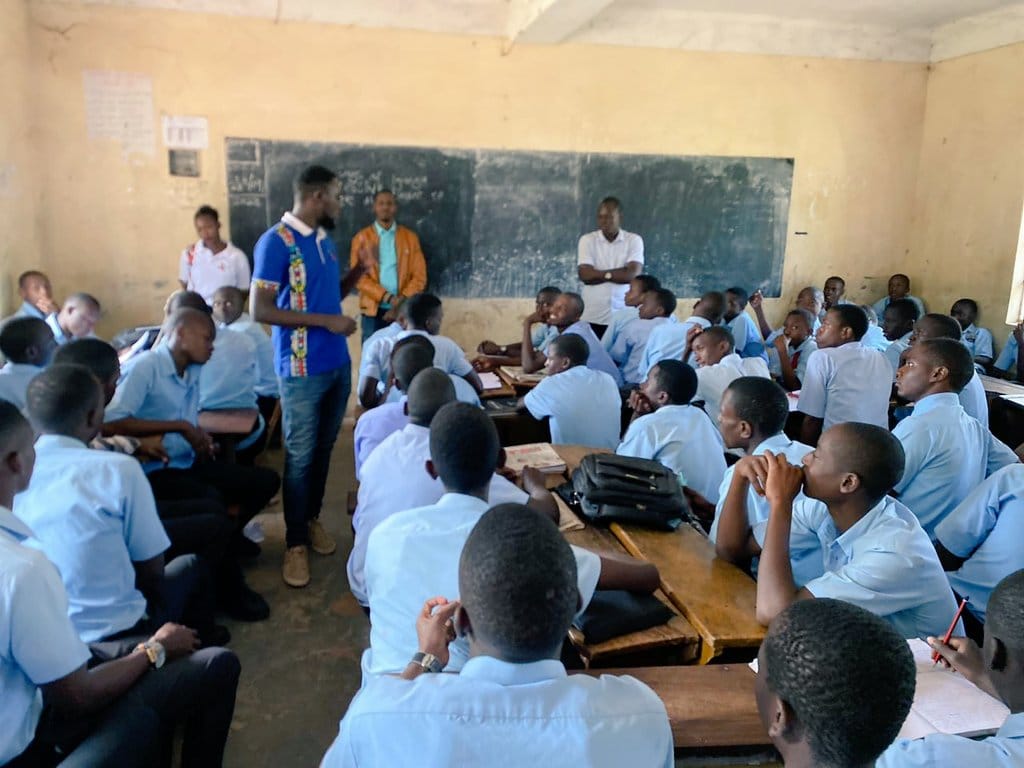
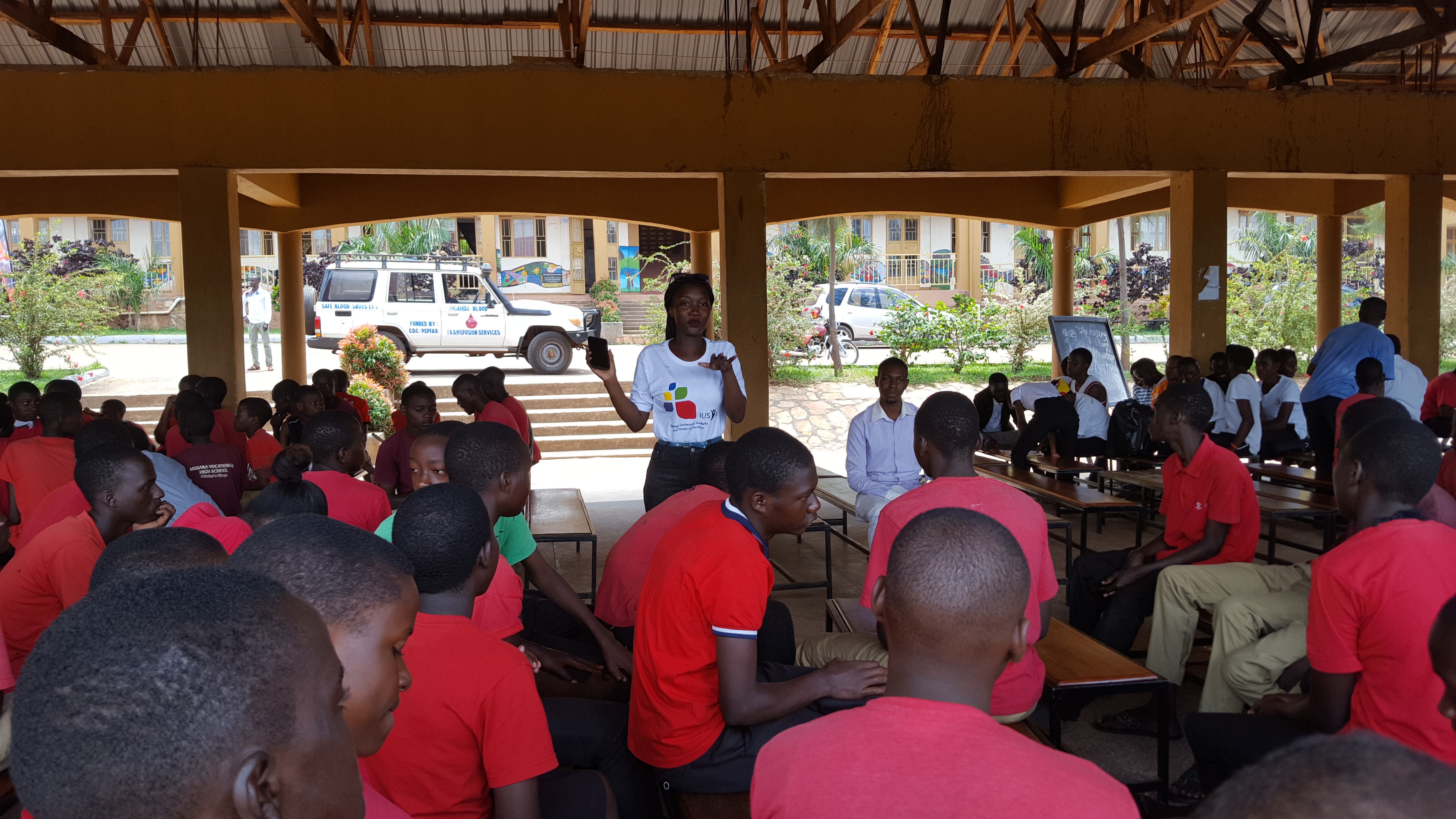
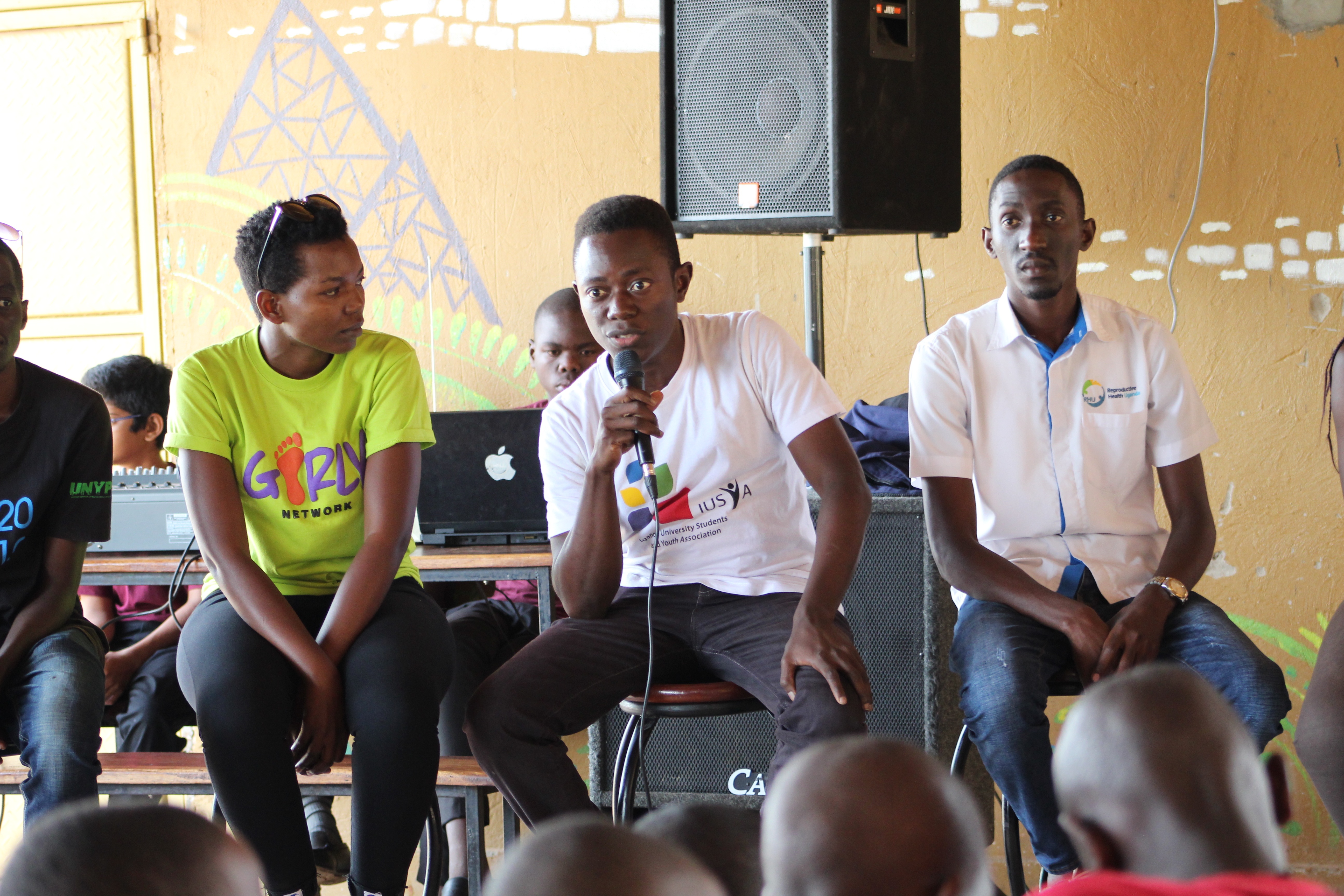
This project focuses on empowering boys and men to promote positive masculinity and prevent gender-based violence by fostering respect, empathy, and accountability. It aims to challenge harmful gender norms and promote equality and healthy relationships within communities.Through mentorship, dialogue, life-skills training, and community engagement, the project equips males with the knowledge and skills to prevent violence, support survivors, and act as advocates for change. By positioning men and boys as agents of positive change, the initiative contributes to safer communities and a more inclusive and just society.
PROJECT OBJECTIVES
To increase awareness among boys and men about gender equality, positive masculinity, and the harmful effects of gender-based violence.
To strengthen community engagement and support systems that enable boys and men to actively participate in preventing gender-based violence and supporting survivors.
To challenge and transform harmful gender norms and stereotypes that contribute to violence and discrimination in communities.
To encourage boys and men to become advocates and role models for respect, accountability, and non-violence in their families and communities.
.jpeg)
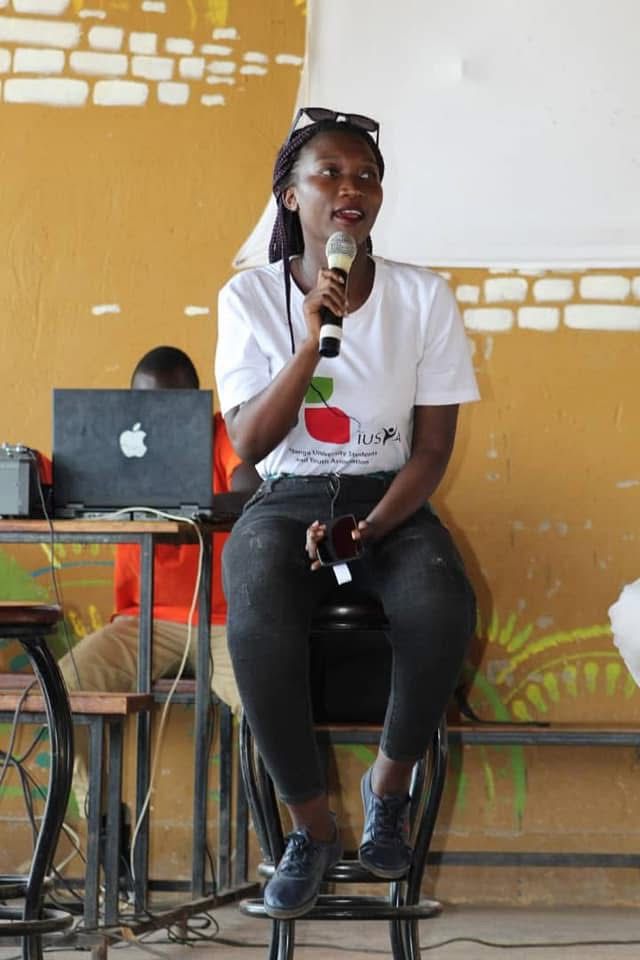
KOONA MU NGATTO NA SRHR
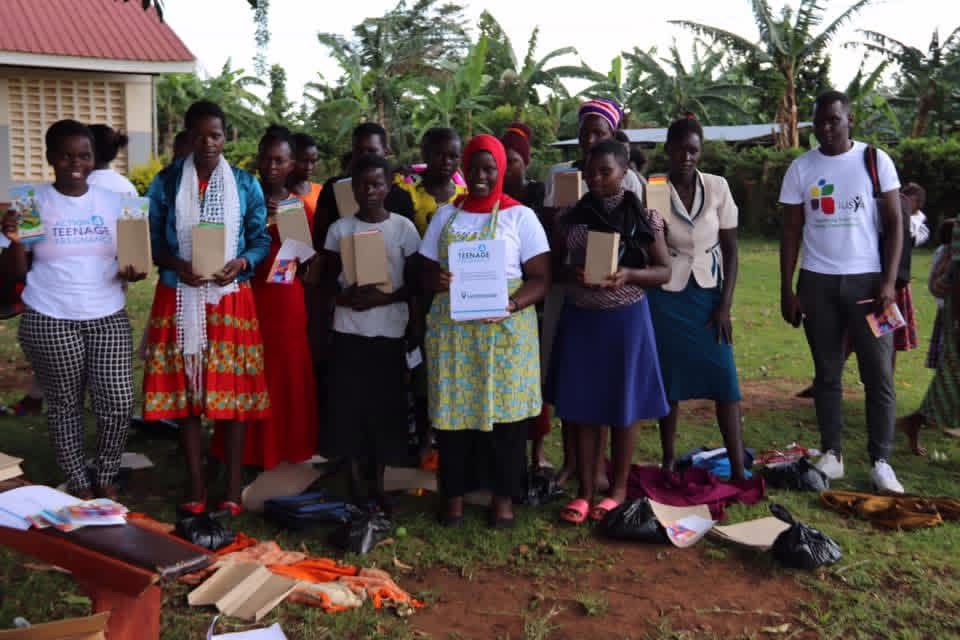
This community-based project addresses teenage pregnancies, early marriages, and school dropouts by promoting Sexual and Reproductive Health and Rights (SRHR) education and support. It engages adolescents, parents, and community leaders to raise awareness, encourage informed decision-making, and challenge harmful social norms. Through age-appropriate SRHR education, mentorship, and referrals to youth-friendly health services, the project empowers young people especially girls to stay in school, protect their health, and plan for their future, while fostering supportive and informed communities.
PROJECT OBJECTIVES
To increase awareness and knowledge of SRHR among adolescents through age-appropriate education and mentorship programs.
To engage parents, community leaders, and other stakeholders in addressing harmful social norms that contribute to teenage pregnancies, early marriages, and school dropouts.
To strengthen linkages between adolescents and youth-friendly health services through referrals and community support systems.
To promote school retention among adolescents by providing guidance, mentorship, and supportive community environments.
.jpeg)
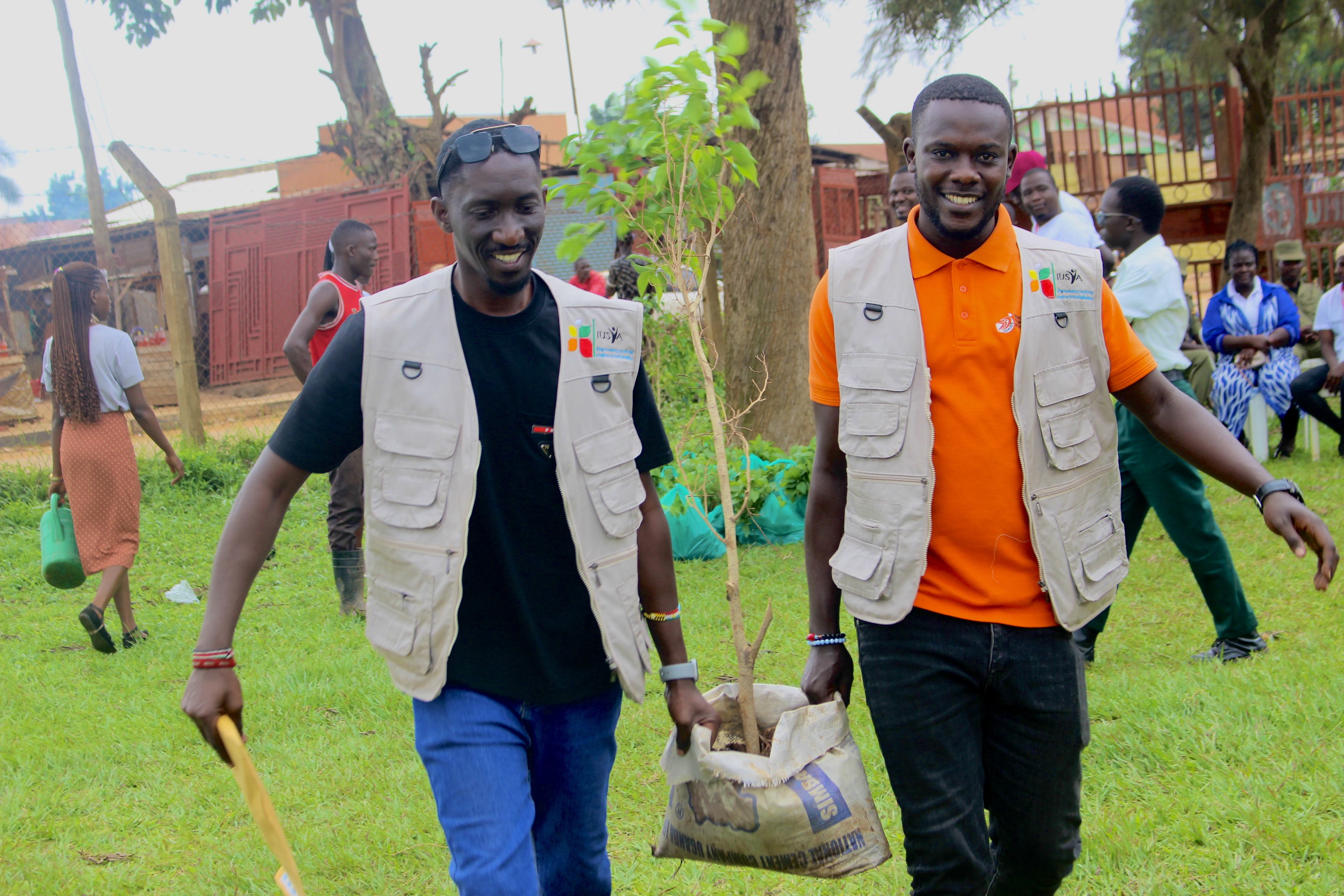
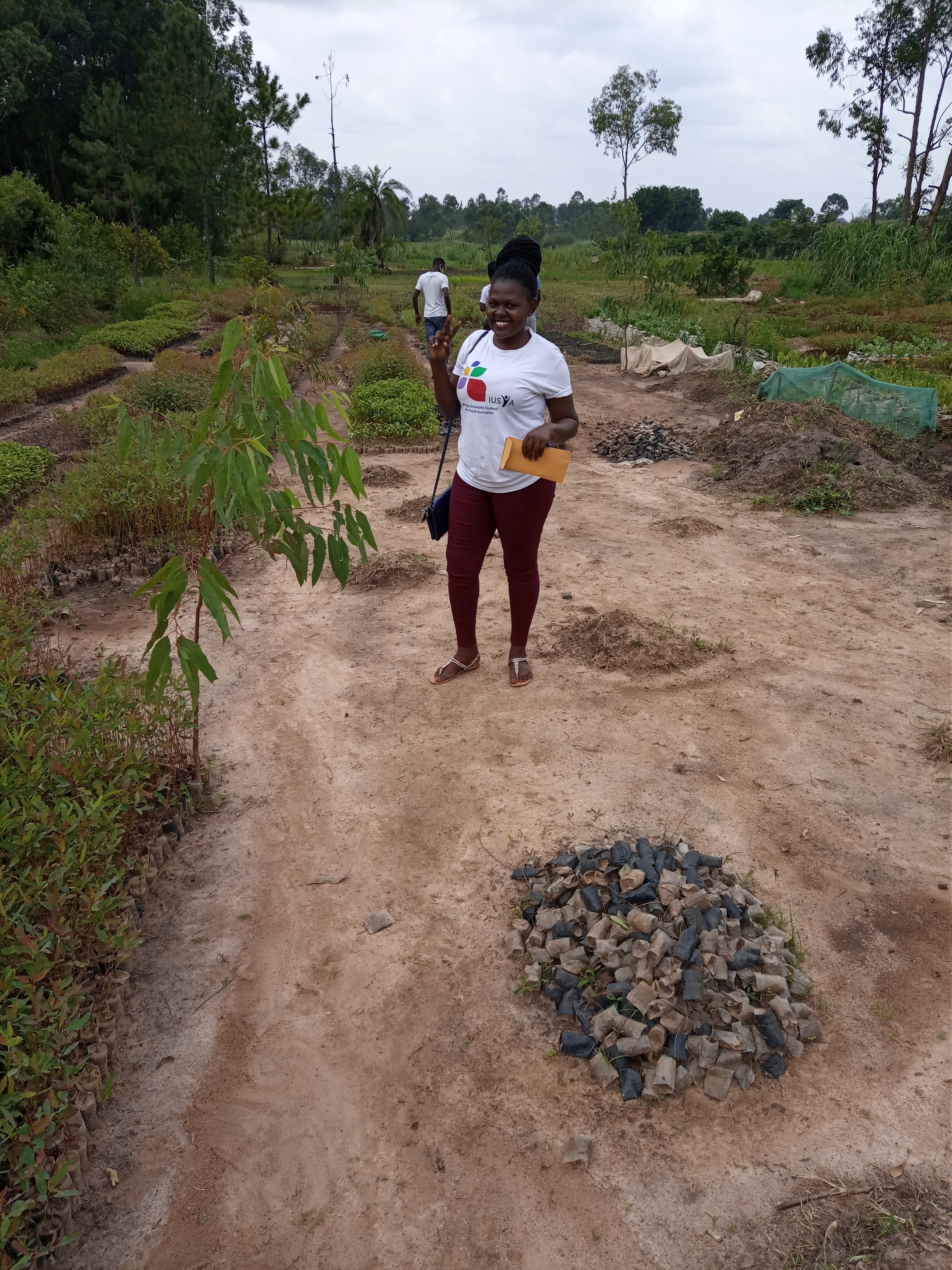
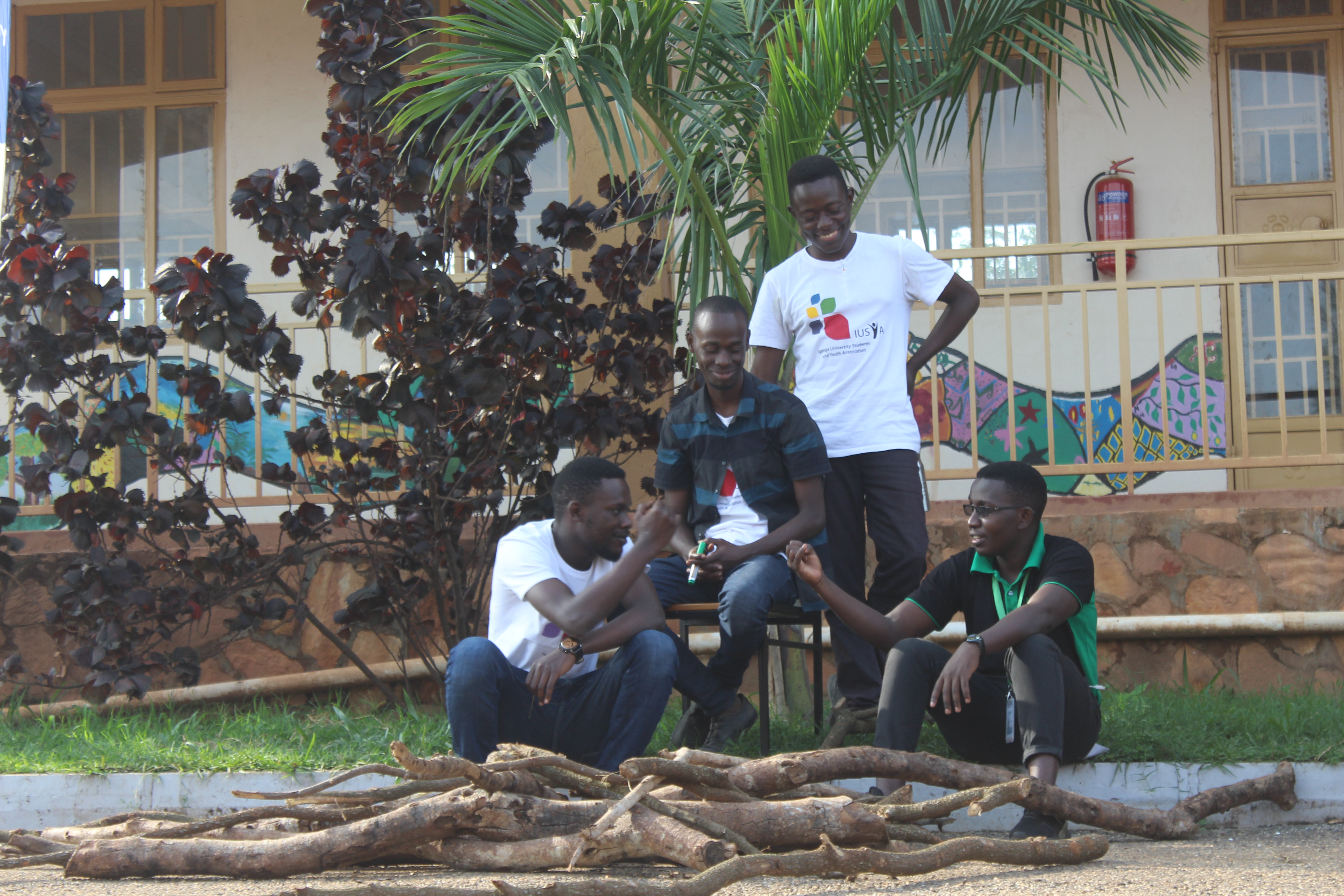
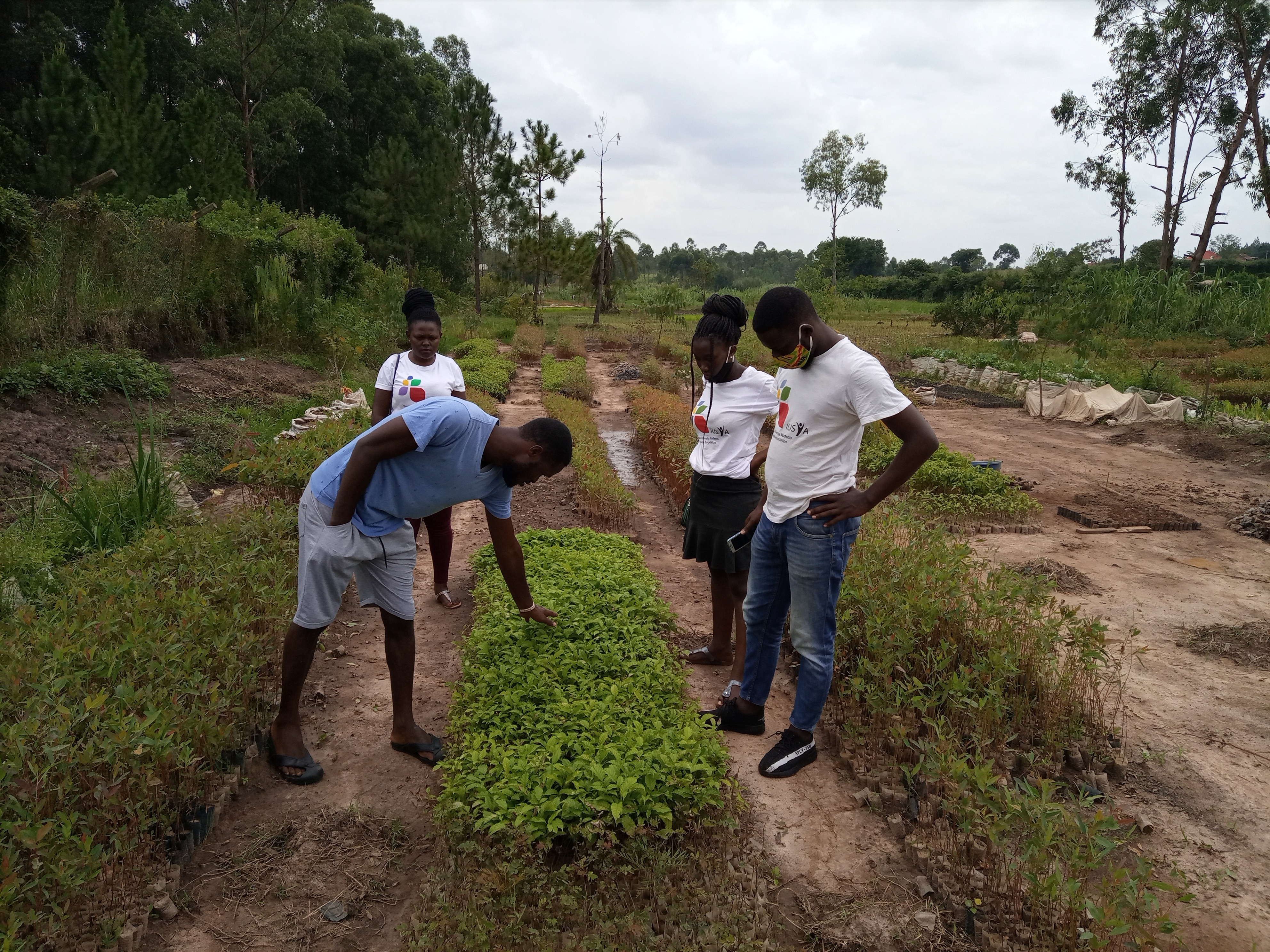
Terra Verde is an environmental initiative that promotes conservation and climate change mitigation through community engagement and awareness. Focused on environmental education, tree planting, waste management, and sustainable practices, the project encourages responsible stewardship of natural resources. By involving local communities, particularly young people, Terra Verde fosters a culture of environmental responsibility and collective action, contributing to a cleaner, greener, and more sustainable environment.
PROJECT OBJECTIVES
To increase environmental awareness and education among local communities, with a focus on youth participation.
To enhance community resilience to climate change by encouraging climate-smart actions such as tree planting and waste management.
To foster a culture of environmental responsibility and collective action through community participation and advocacy.
To contribute to a cleaner and greener environment by implementing practical, community-driven conservation initiatives.